Science-backed · FDA-registered

Your body’s silently aging toward disease. Take back control.

Chronic inflammation can build silently for years before symptoms. The 90-day protocol is designed to support gut and inflammatory balance. Routine blood markers at Day 30, 60 and 90 can show how your trajectory changes. Progress you can follow.

  • FDA-registered formula
  • Research with MSU-IIT
  • Physician-led clinical program
  • 19 branches nationwide
Blood ScanBeta test
hs-CRP4.8
Inflammation0
LevelHigh
Inflammation
Restored
Currently in betaDemonstration readout · Beta

01 Why now

The body can age faster than the calendar — and it’s starting younger.

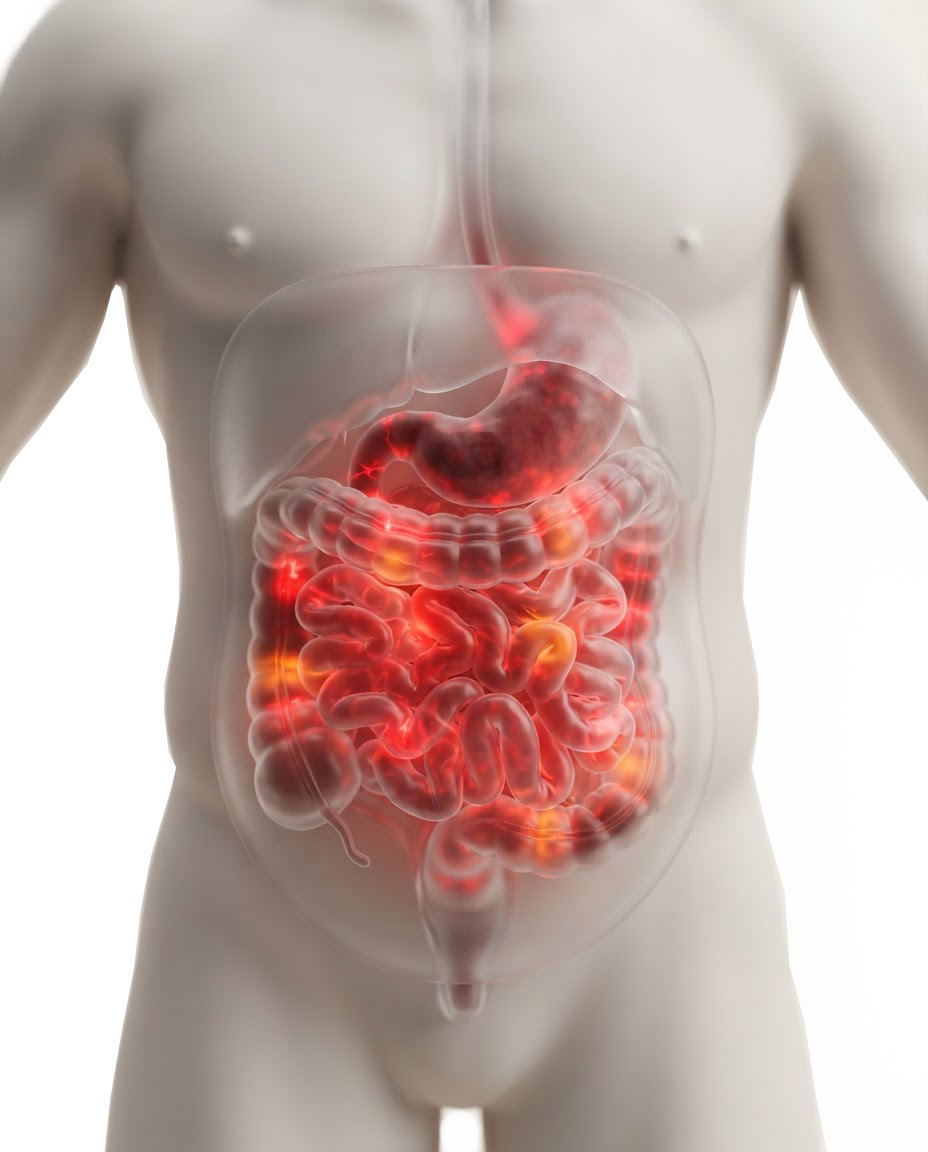
Ultra-processed food, chronic stress, and too little sleep drive chronic low-grade inflammation.1 Once tied to later life, it now shows up in the 20s and 30s.

You can’t feel low-grade inflammation. You can measure it — and the earlier you do, the more time you have to act.
02 The cost of not knowing

What chronic inflammation does before symptoms appear.

Unmeasured, it builds for years — and it’s now linked to the leading causes of death and disability worldwide.1

Most people never measure it, so they learn of it only once a diagnosis names it.
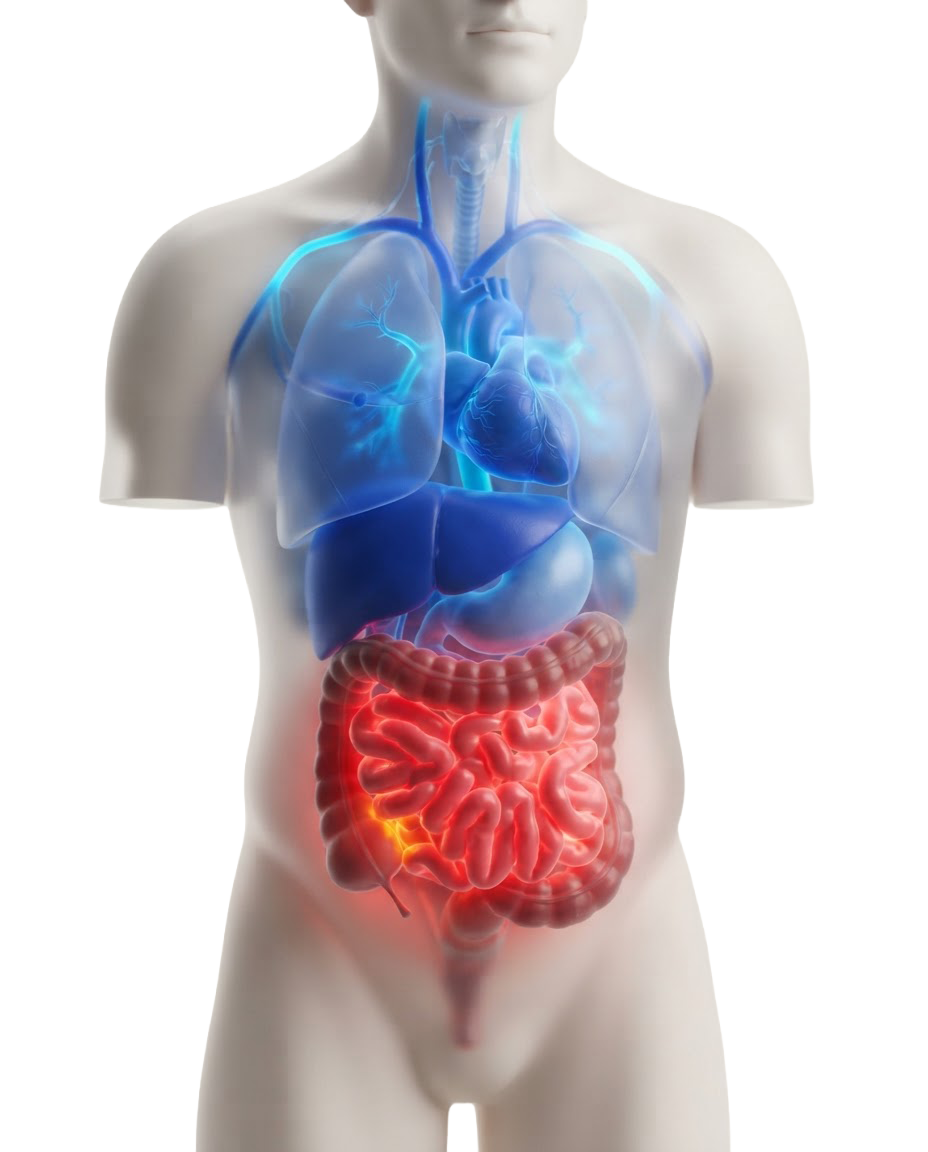
Left unchecked, it’s linked to —

Cardiovascular

Arterial damage, silently

Chronic inflammation is a recognized driver of vascular damage — accumulating for years before a single symptom shows.5
Metabolic

Insulin resistance

A central force behind the metabolic decline that runs ahead of type 2 diabetes.6
Cognitive

An aging brain

“Inflammaging” is increasingly tied to memory and cognitive loss as the years compound.7
03 Your number Beta · In validation

One number you’ll remember: your MiAge. Beta

Your BioScan is included with every protocol — a baseline, then re-tests at Day 30, 60 and 90. From the lab tests you already have, we read two things. Your Lifestyle Inflammation Score (GLIS) measures low-grade chronic systemic inflammation — what doctors track with markers like hs-CRP, and what science calls inflammaging as it builds with age.2 It reads as a cardiometabolic composite: not just inflammatory markers, but the metabolic sources that fuel them, like visceral fat and insulin resistance. Your MiAge then translates that into a biological age in years, set against your real age.

MiAge · Mitochondrial Age Beta
41
0yrs
Calendar ageMiAge

“I’m 41. My MiAge is 48.”

Illustrative example

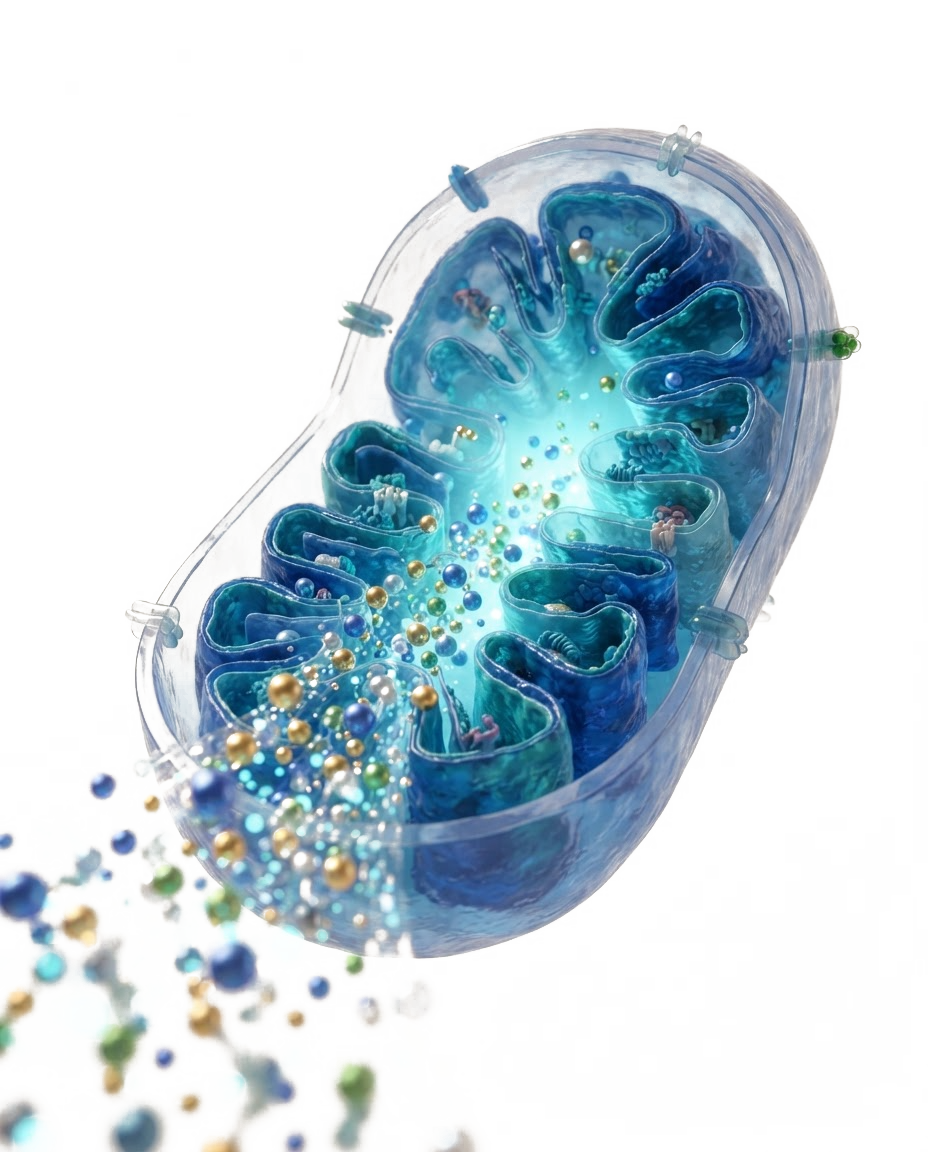
Mitochondria are your cells’ engine and repair system. Chronic inflammation wears them down, and worn mitochondria fuel more inflammation — a loop aging science treats as a core driver of how fast we age.9 Because mitochondrial decline is a hallmark of that aging,11 we name your biological age after it. Calendar age 41, MiAge 48 means your body may be running about seven years ahead — a gap to close, not a diagnosis.

β
MiAge validation is underwayNo public launch date has been announced.
MiAge is in BetaIt runs on our v1 formulary while an independent clinical study is ongoing. A wellness indicator, not a diagnostic.
Blood Scan BioScan

Upload or photograph the blood test results you already have. The system reads your biomarkers from a routine, affordable panel — no special kit, no partner lab, and none of the costly DNA testing other biological-age clocks require.

Lifestyle Inflammation Score GLIS

A 0–100 read of that inflammation across inflammatory, metabolic and adiposity markers, with a confidence rating. The signal your MiAge is built on.

How MiAge is derived Beta · In validation

MiAge is a validated-method biological age from a routine, affordable blood test — no expensive DNA lab. Where your panel is complete, it’s anchored on the PhenoAge algorithm10,14 and extended with cardiometabolic markers standard clocks leave out — insulin resistance, uric acid, adiposity.12,13 Confidence rises with how complete your panel is.

See the mechanism behind MiAge: how gut leakage drives inflammation and mitochondrial aging
The 90-day trajectory↓ lower is better
6MiAge years
across the scans
Beta · In validation
4842The gap to your calendar age narrows from 7 to 1 years.
Calendar age 41
48
46
44
42
Day 0BaselineDay 30Day 60Day 90Re-test

Illustrative example · individual results vary. Your real scans are tracked in the Gutguard app.

Every re-test is a checkpoint you can see. Watching your own MiAge fall — a measurement, not a promise — is what carries people through all 90 days.

04 The protocol

Three steps. Ninety days. One flagship.

SynBIOTIC+ — the Gut-Mitochondrial Axis, powered.

Repair the gut environment

Pre-, pro- and postbiotics support the gut lining — including replenishing beneficial bacteria after a course of antibiotics8 — where much of the body’s inflammatory signaling begins.

Lower systemic inflammation

As gut function improves, systemic inflammatory load can fall.

Activate cellular renewal

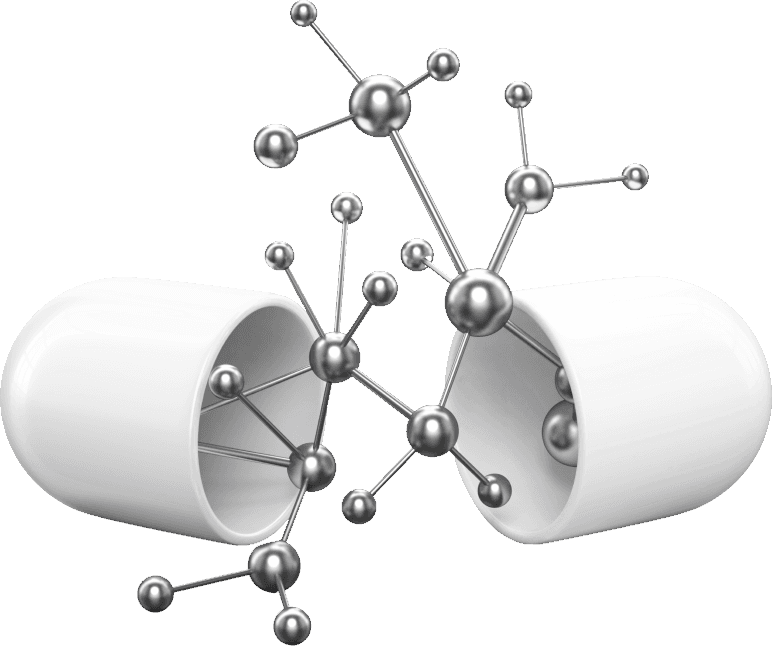
The postbiotic Urolithin-A triggers mitophagy — the cell’s renewal of its mitochondria. In clinical trials, urolithin-A improved biomarkers of mitochondrial health in adults.3,4

Research and registration
FDA
Registered · CPR FR-400…456
USAID
Funded research
MSU-IIT
Co-developed R&D
19
Branches nationwide
80B
CFU · 17 strains
05 Other doors

Here for a different reason? Choose your path.

Registered partners

Sign in securely to view your tracked links, clicks, and attributed orders.

Open partner dashboard
Evidence

The science this builds on. The research below establishes what Gutguard measures — that chronic, low-grade inflammation is real, measurable, and drives how fast we age — and the rationale behind the protocol’s design.

  1. Kotas ME, Medzhitov R. Homeostasis, inflammation, and disease susceptibility. Cell. 2015;160(5):816–827. doi:10.1016/j.cell.2015.02.010
  2. Franceschi C, Bonafè M, Valensin S, et al. Inflamm-aging: an evolutionary perspective on immunosenescence. Annals of the New York Academy of Sciences. 2000;908:244–254. doi:10.1111/j.1749-6632.2000.tb06651.x
  3. Singh A, D’Amico D, Andreux PA, et al. Urolithin A improves muscle strength, exercise performance, and biomarkers of mitochondrial health in a randomized trial in middle-aged adults. Cell Reports Medicine. 2022;3(5):100633. doi:10.1016/j.xcrm.2022.100633
  4. Liu S, D’Amico D, Shankland E, et al. Effect of urolithin A supplementation on muscle endurance and mitochondrial health in older adults: a randomized clinical trial. JAMA Network Open. 2022;5(1):e2144279. doi:10.1001/jamanetworkopen.2021.44279
  5. Ridker PM, Everett BM, Thuren T, et al.; CANTOS Trial Group. Antiinflammatory therapy with canakinumab for atherosclerotic disease. New England Journal of Medicine. 2017;377(12):1119–1131. doi:10.1056/NEJMoa1707914
  6. Pradhan AD, Manson JE, Rifai N, Buring JE, Ridker PM. C-reactive protein, interleukin 6, and risk of developing type 2 diabetes mellitus. JAMA. 2001;286(3):327–334. doi:10.1001/jama.286.3.327
  7. Walker KA, Gottesman RF, Wu A, et al. Systemic inflammation during midlife and cognitive change over 20 years: the ARIC Study. Neurology. 2019;92(11):e1256–e1267. doi:10.1212/WNL.0000000000007094
  8. Hempel S, Newberry SJ, Maher AR, et al. Probiotics for the prevention and treatment of antibiotic-associated diarrhea: a systematic review and meta-analysis. JAMA. 2012;307(18):1959–1969. doi:10.1001/jama.2012.3507
  9. Li Y, Berliocchi L, Li Z, Rasmussen LJ. Interactions between mitochondrial dysfunction and other hallmarks of aging: paving a path toward interventions that promote healthy old age. Aging Cell. 2024;23(1):e13942. doi:10.1111/acel.13942
  10. Levine ME, Lu AT, Quach A, et al. An epigenetic biomarker of aging for lifespan and healthspan. Aging (Albany NY). 2018;10(4):573–591. doi:10.18632/aging.101414
  11. López-Otín C, Blasco MA, Partridge L, Serrano M, Kroemer G. The hallmarks of aging. Cell. 2013;153(6):1194–1217. doi:10.1016/j.cell.2013.05.039
  12. Kresovich JK, Garval EL, Martinez Lopez AM, et al. Associations of body composition and physical activity level with multiple measures of epigenetic age acceleration. American Journal of Epidemiology. 2021;190(6):984–993. doi:10.1093/aje/kwaa251
  13. Tucker LA. Insulin resistance and biological aging: the role of body mass, waist circumference, and inflammation. BioMed Research International. 2022;2022:2146596. doi:10.1155/2022/2146596
  14. Liu Z, Kuo P-L, Horvath S, Crimmins E, Ferrucci L, Levine M. A new aging measure captures morbidity and mortality risk across diverse subpopulations from NHANES IV: a cohort study. PLoS Medicine. 2018;15(12):e1002718. doi:10.1371/journal.pmed.1002718
Our own evidence

The studies above establish the problem. The evidence below is how we show what Gutguard does about it — our population, our protocol, speaking to the product directly. It’s being built now.

  • Study in progress

    Autism spectrum clinical study

    A joint research study and partnership with Beehive Brain Developmental Center, in collaboration with MSU-IIT as the research institution — a 12-week protocol evaluating change in inflammatory and gut-axis markers. Results will be published when the study is complete and cleared for public release.

  • Pilot underway

    Lead Clinical Adopter outcomes

    Before-and-after inflammation readings from patients on the protocol under physician supervision. Aggregate outcomes will be published after collection and review.

Entries above describe evidence GutGuard is generating. No study outcome is claimed before reviewed results are available, and nothing here is a therapeutic claim.

Measured, not guessed.

The 90 days come first. Then the number.

Start the protocol today. At Day 30, 60 and 90 your BioScan shows you what changed — and your MiAge tells you in years. We’ll be with you at every re-test.

Start the 90-Day Protocol

Honest by design.

We describe support for inflammation and recovery without presenting SynBIOTIC+ as a treatment or cure. Consult a licensed physician for personal health decisions.